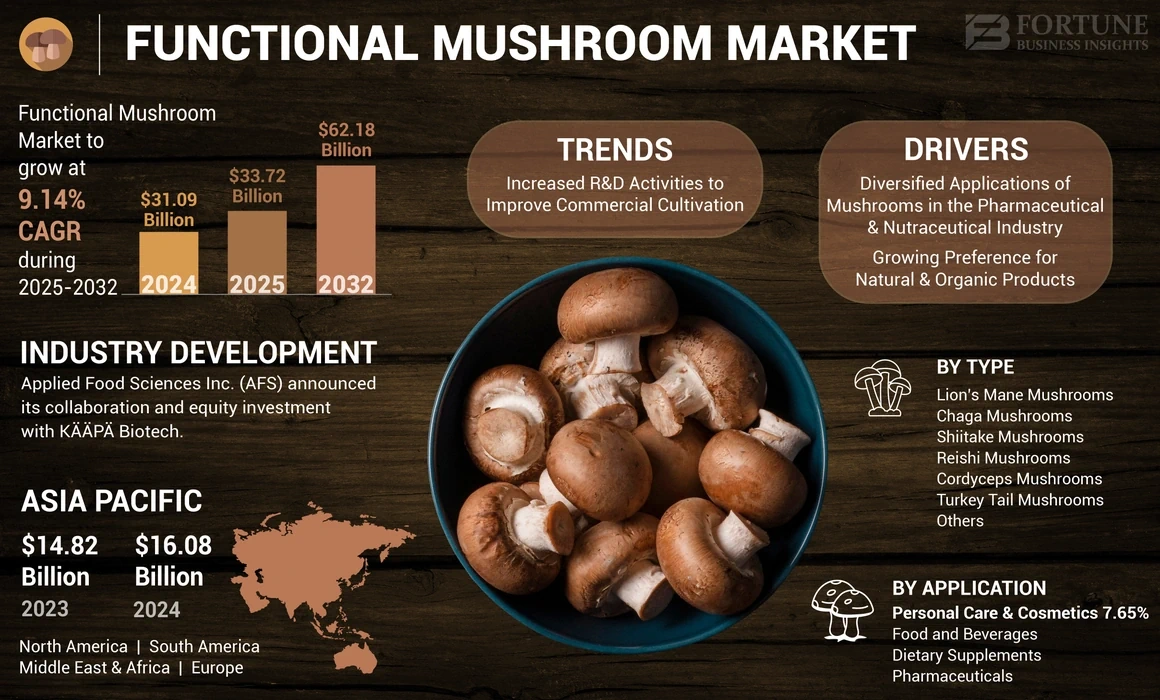
Wellness in 2026 looks very different from past years. People increasingly move away from extreme trends and quick fixes, while they focus more on balanced lifestyles and sustainable health habits. As this shift continues, functional mushrooms are gaining attention because they fit naturally into everyday routines. Instead of promising instant results, they support gradual wellbeing through consistent use alongside healthy lifestyle choices.
At the same time, wellness education has become more accessible. Individuals now seek clear, practical information rather than complicated health systems. Therefore, functional mushrooms often appear in conversations about natural living, mindful consumption, and long-term health awareness.
Modern wellness emphasizes simplicity. Many people prefer realistic routines they can maintain rather than intensive programs that quickly become overwhelming. Functional mushrooms align with this approach because they integrate easily into familiar habits such as teas, smoothies, balanced meals, or relaxation rituals.
Moreover, this practical approach reduces stress around health goals. When routines feel manageable, consistency improves. As a result, functional mushrooms often become part of daily wellness rather than occasional experiments.
Education now plays a central role in health decisions. People want to understand what they consume, how it works, and how it fits their overall wellbeing. Functional mushrooms encourage this curiosity because they connect traditional natural practices with modern wellness awareness.
Additionally, wellness education increasingly highlights balance. Nutrition, sleep quality, stress management, hydration, and physical activity remain essential. Functional mushrooms typically complement these foundations rather than replace them, which supports a more informed and realistic wellness mindset.
Modern lifestyles often involve constant connectivity, demanding schedules, and environmental stressors. Consequently, maintaining balance has become a priority for many individuals. Functional mushrooms are often included in wellness routines because they may support focus, energy stability, and overall resilience when paired with healthy habits.
However, balance also requires lifestyle awareness. Regular rest, nutritious foods, mindful breaks, and physical movement remain key factors. Functional mushrooms work best when combined with these core wellness practices.
Interest in natural wellness continues to grow worldwide. Both locals and international visitors increasingly explore plant-based health solutions, especially in regions known for holistic lifestyles. Functional mushrooms fit comfortably into this global conversation because they represent both tradition and modern wellness education.
Furthermore, wellness tourism and conscious living trends encourage people to learn about natural health approaches wherever they travel. This shared curiosity strengthens awareness and encourages more thoughtful wellness choices.
The future of wellness will likely emphasize consistency, education, and balance rather than rapid transformations. Functional mushrooms reflect this direction because they support steady habits without demanding major lifestyle changes. When combined with nutritious diets, regular activity, stress management, and adequate sleep, they contribute to a well-rounded wellness approach.
Ultimately, sustainable health grows from informed choices and consistent routines. Functional mushrooms simply offer another supportive element within that broader wellness journey.
For more insights on natural wellness education, conscious lifestyle choices, and functional mushroom awareness, visit:
Ganja Store
Q1: Why are functional mushrooms gaining attention in 2026 wellness trends?
They align with sustainable health practices and support balanced daily routines without extreme lifestyle changes.
Q2: Can functional mushrooms replace healthy lifestyle habits?
No. They usually complement essential habits like nutrition, sleep, exercise, and stress management.
Q3: How can beginners include functional mushrooms in daily life?
Starting with teas, smoothies, or simple meal additions often makes integration easier.
Q4: Are functional mushrooms part of global wellness education?
Yes. Increased awareness and interest in natural health have expanded their role in wellness discussions worldwide.
Q5: What defines modern wellness in 2026?
Balanced routines, informed choices, sustainable habits, and realistic approaches to long-term health.
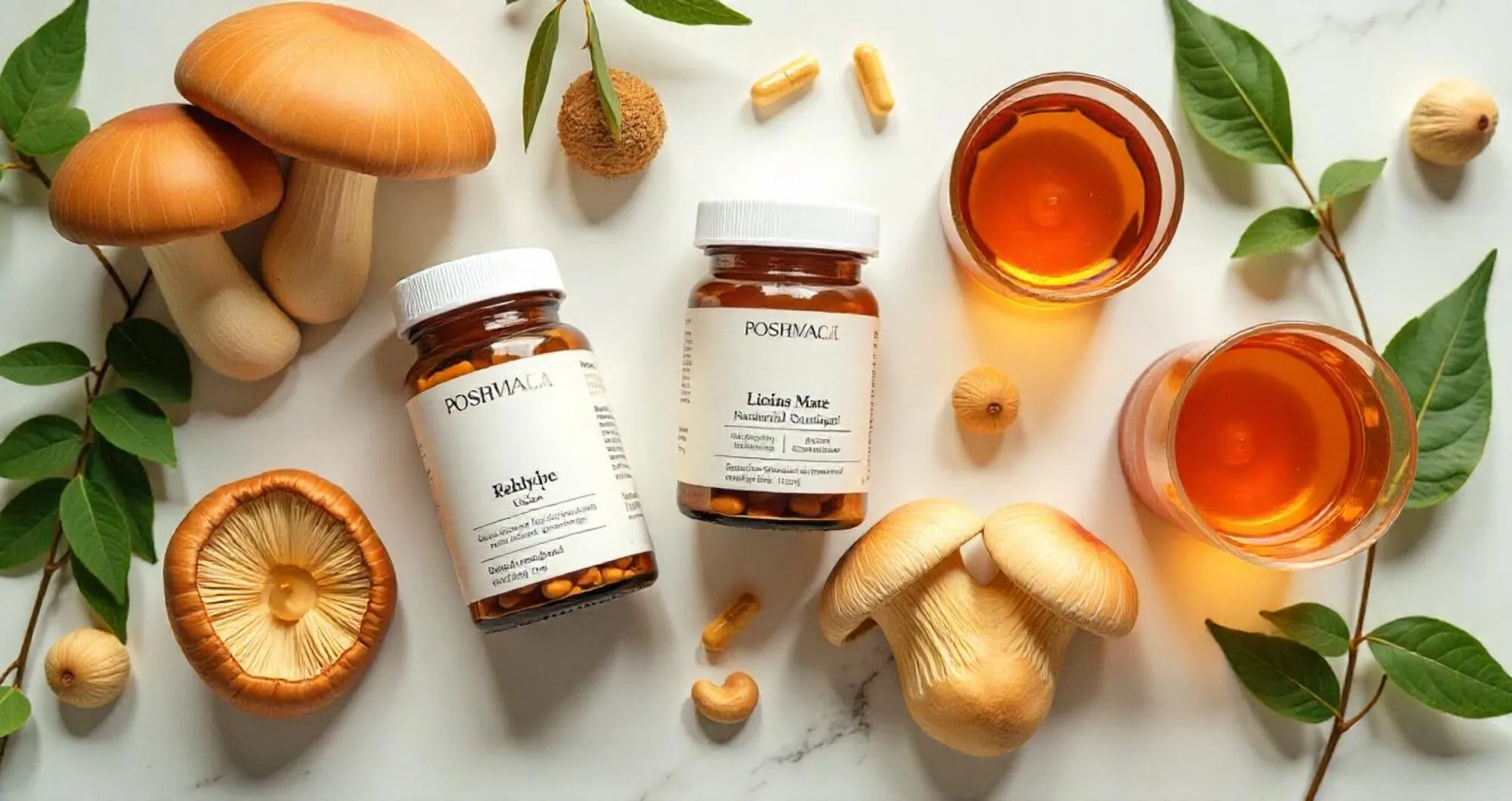
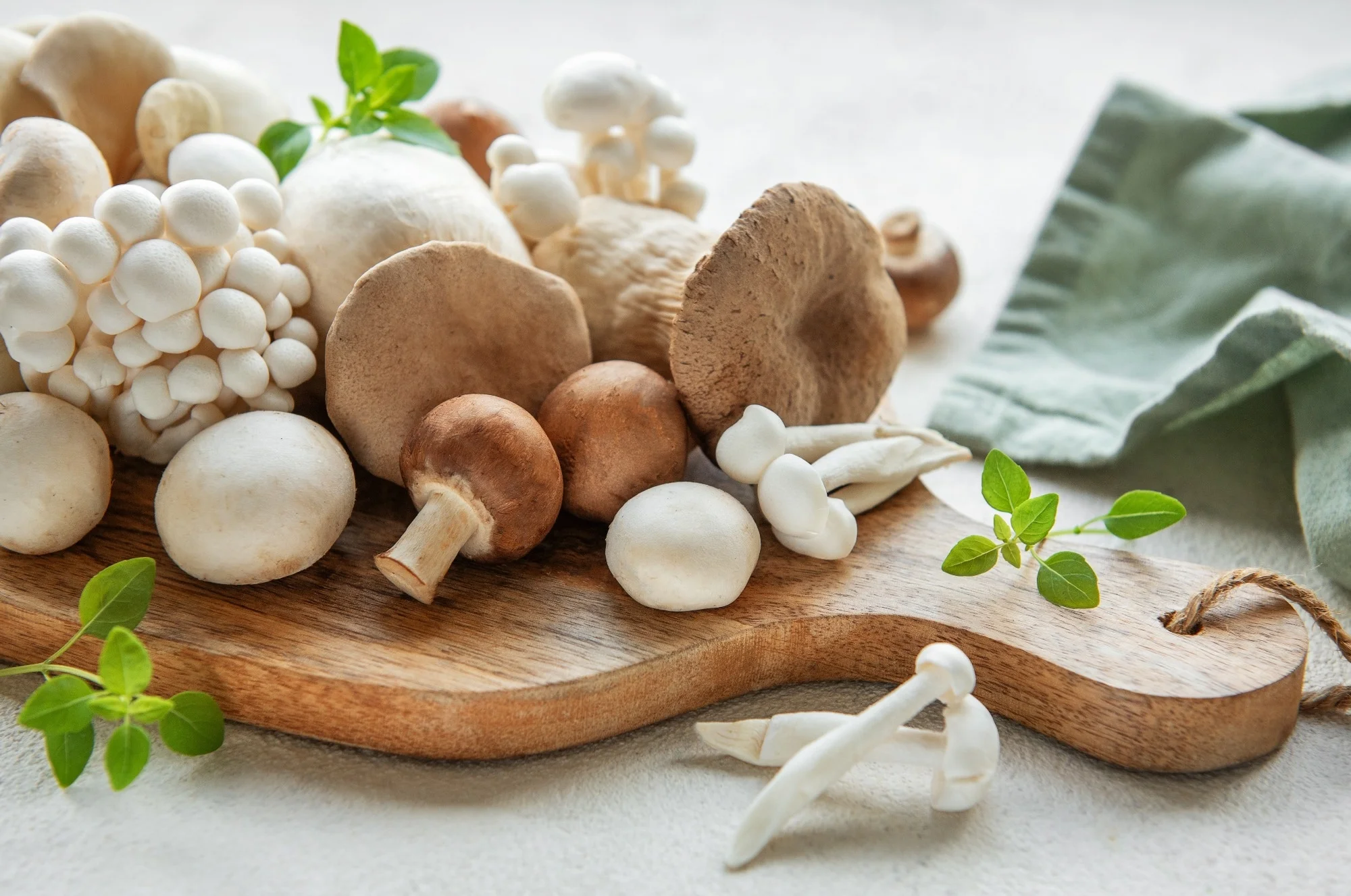
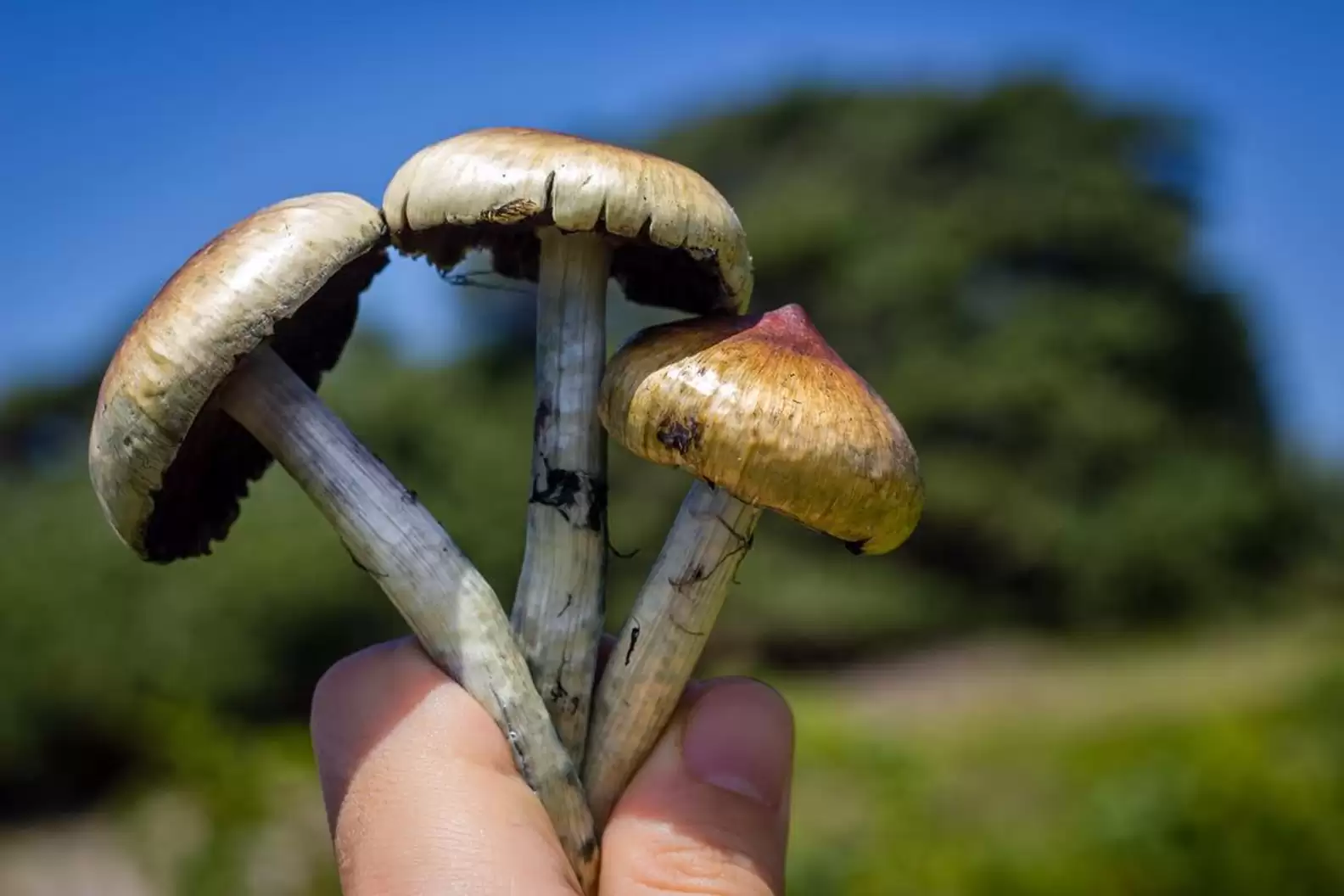
We offer Jamaica’s most comprehensive selection of mushrooms and cannabis. From culinary and functional fungi to premium ganja products, we’re here to support your wellness, creativity, and peace of mind. Enjoy fast, discreet delivery islandwide.