

Mushroom microdosing has gained attention as a wellness-focused practice that emphasizes balance, intention, and consistency. Unlike full-dose psychedelic experiences, microdosing involves taking very small amounts that do not produce noticeable psychoactive effects. Because of this, many beginners explore microdosing as a way to support creativity, focus, mood balance, and mindfulness.
This guide explains mushroom microdosing in a clear and beginner-friendly way, focusing on education, intention, and responsible use.
Microdosing refers to consuming a sub-perceptual amount of mushrooms, typically small enough that there are no hallucinations or altered states. Instead of dramatic effects, users focus on subtle changes such as improved awareness, emotional balance, or mental clarity.
The goal of microdosing is not escape or intoxication. Rather, it is about supporting daily functioning while remaining fully present.
Many beginners are drawn to microdosing because it emphasizes subtlety and control. Instead of overwhelming experiences, microdosing allows people to observe how their body and mind respond over time.
People often explore microdosing to support focus, creativity, emotional regulation, or personal growth. However, experiences vary, which is why a mindful and patient approach is essential.
Before starting a microdosing routine, intention matters. Having a clear reason helps guide expectations and promotes responsible use. Some people set intentions related to productivity, while others focus on mindfulness or emotional balance.
Approaching microdosing with curiosity rather than expectation allows for more honest self-observation and reduces disappointment.
Microdosing is not about increasing amounts or chasing effects. In fact, consistency matters more than intensity. Many beginners follow simple schedules that include regular breaks to avoid overuse and maintain awareness.
Tracking mood, energy, and focus in a journal can help beginners understand patterns and decide whether the practice aligns with their goals.
Microdosing is often paired with healthy habits such as meditation, exercise, proper sleep, and balanced nutrition. When combined with supportive routines, microdosing becomes part of a broader wellness lifestyle rather than a standalone solution.
This balanced approach reduces reliance on substances and encourages personal responsibility.
Education is critical, especially for beginners. Understanding legality, sourcing, dosage concepts, and personal limits is part of responsible exploration. Rushing into microdosing without education increases the risk of misuse or unrealistic expectations.
Wellness-focused platforms such as
Ganja Store shares educational insights on conscious consumption, plant-based wellness, and mindful lifestyle practices that support informed decision-making.
Listening to your body is essential. If microdosing causes discomfort, anxiety, or distraction, pausing is a responsible choice. Microdosing is not meant for everyone, and self-awareness is more important than commitment.
Respecting personal boundaries supports long-term wellness and mental clarity.
Q1: Does mushroom microdosing cause hallucinations?
No, microdosing uses amounts small enough to avoid hallucinations or strong psychoactive effects.
Q2: Is mushroom microdosing suitable for beginners?
Yes, when approached responsibly, microdosing is often explored by beginners due to its subtle nature.
Q3: How long does it take to notice effects from microdosing?
Some people notice subtle changes within days, while others observe patterns over several weeks.
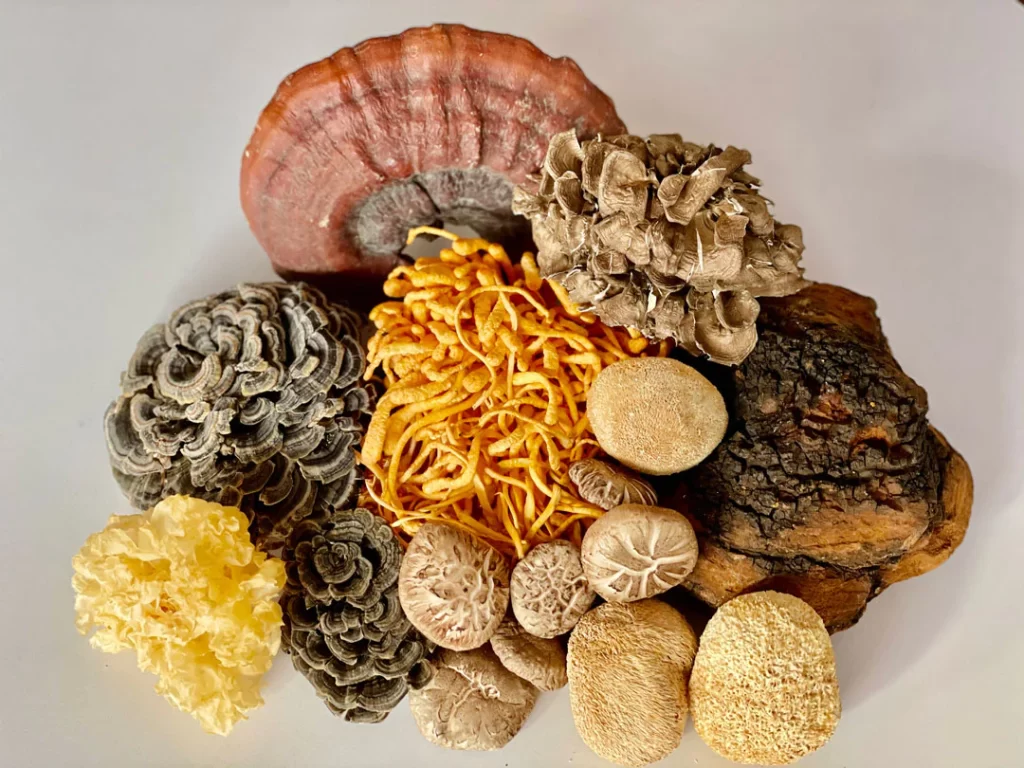
Q4: Can microdosing be combined with functional mushrooms?
Some people separate microdosing practices from functional mushroom use, while others focus on one approach at a time.
Q5: Should beginners keep a journal while microdosing?
Yes, journaling helps track mood, focus, and overall response, supporting mindful evaluation.
We offer Jamaica’s most comprehensive selection of mushrooms and cannabis. From culinary and functional fungi to premium ganja products, we’re here to support your wellness, creativity, and peace of mind. Enjoy fast, discreet delivery islandwide.