

Modern life moves quickly. Digital demands, busy schedules, and constant information flow often make health feel complicated. However, wellness education now focuses on clarity, balance, and realistic habits rather than extreme trends. Because of this shift, people increasingly explore natural health knowledge, including functional mushrooms, mindful nutrition, and sustainable daily routines.
Moreover, education empowers individuals to make informed decisions. Instead of following short-term wellness fads, people learn how consistent habits support long-term wellbeing. This approach fits modern lifestyles because it encourages practical steps rather than overwhelming changes.
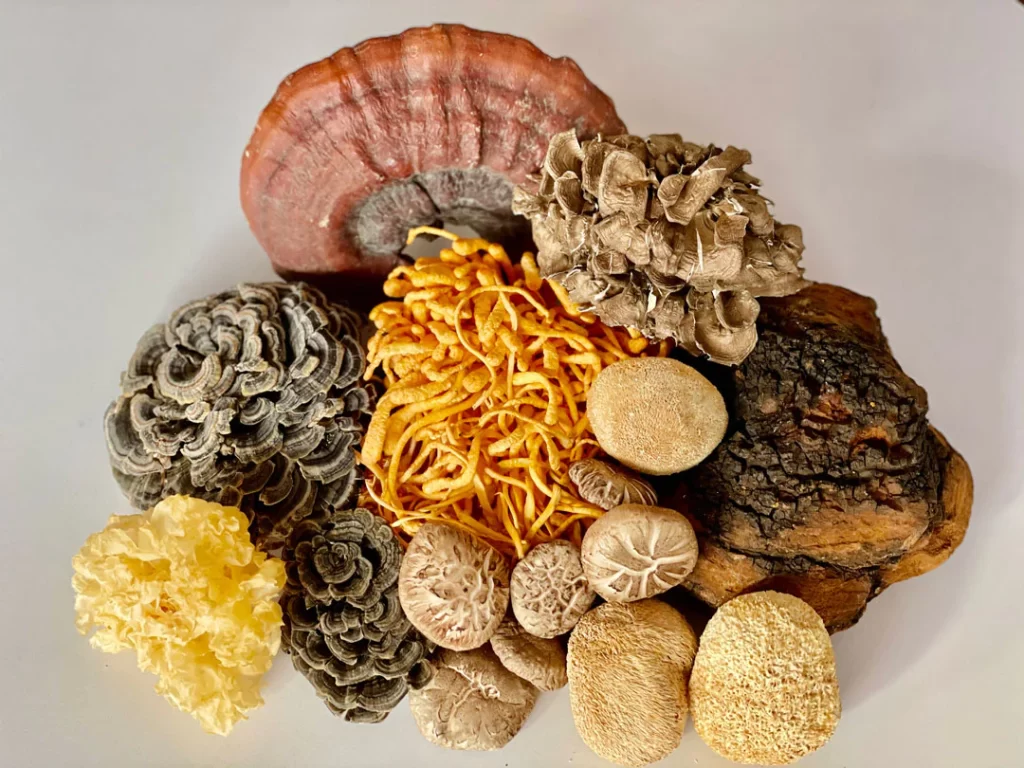
Wellness trends frequently appear and disappear. Nevertheless, education helps people distinguish lasting practices from temporary hype. Functional mushrooms, for example, attract attention because they connect traditional natural health knowledge with modern lifestyle awareness.
Furthermore, education emphasizes context. Nutrition, sleep, movement, hydration, and stress management remain essential. Functional mushrooms often complement these foundations rather than replace them. Therefore, wellness education encourages balanced understanding instead of quick-fix thinking.
Consistency usually determines wellness success. Small daily actions often produce stronger long-term results than occasional intensive efforts. Functional mushrooms fit easily into everyday habits such as teas, smoothies, or balanced meals. Consequently, they support routines without adding unnecessary complexity.
Additionally, modern wellness encourages flexibility. Individuals adapt habits according to work schedules, travel, or personal needs. This adaptable approach helps wellness remain practical, which improves long-term consistency.
Today’s consumers want transparency. They ask where ingredients come from, how they work, and how they fit into broader health strategies. Wellness education supports this curiosity, encouraging thoughtful choices rather than impulsive decisions.
Functional mushrooms often spark these discussions because they combine historical herbal traditions with modern wellness interest. As people learn more, they tend to adopt healthier, more sustainable lifestyle habits overall.
Modern convenience offers benefits, yet it sometimes distances people from natural wellness practices. Education helps restore this balance by reconnecting individuals with simple health principles. Functional mushrooms symbolize this connection because they bridge traditional natural knowledge with contemporary living.
Meanwhile, balanced wellness still depends on core habits. Nutritious food, physical activity, adequate rest, and stress awareness remain essential. Functional mushrooms typically support these practices rather than act as standalone solutions.
Wellness education will likely continue evolving toward accessibility, practicality, and sustainability. People increasingly value information that helps them maintain consistent habits without unrealistic expectations. Functional mushrooms align with this direction because they integrate naturally into daily life while encouraging mindful health awareness.
Ultimately, modern wellness education promotes informed choices, steady routines, and balanced living. These principles help individuals maintain wellbeing despite fast-paced lifestyles and constant change.
For more insights on natural wellness education, conscious lifestyle guidance, and functional mushroom awareness, explore
GanjaStoreJA
Q1: What is modern wellness education?
Modern wellness education focuses on balanced living, informed health choices, and sustainable daily habits rather than short-term trends.
Q2: How do functional mushrooms fit wellness education?
They often complement nutrition, stress management, and lifestyle routines while encouraging awareness about natural health practices.
Q3: Can wellness education improve daily routines?
Yes. Clear knowledge helps individuals build consistent habits that support long-term wellbeing.
Q4: Are natural wellness approaches suitable for busy lifestyles?
Many natural practices integrate easily into daily routines, making them practical for modern living.
Q5: Why is wellness education increasingly important today?
Fast lifestyles and abundant health information make informed decision-making essential for sustainable wellbeing.
We offer Jamaica’s most comprehensive selection of mushrooms and cannabis. From culinary and functional fungi to premium ganja products, we’re here to support your wellness, creativity, and peace of mind. Enjoy fast, discreet delivery islandwide.